
Research
Royal Society honours Dal oceanographer for globally recognized climate research

One of Canada's highest academic honours goes to Dal oceanographer Dr. Katja Fennel for her globally recognized contributions to climate research. Read more.
Featured News

Monday, September 14, 2026
Enabling pharmacists to prescribe preventive Lyme disease medication shifted hundreds of routine cases out of emergency departments, easing pressure on the health-care system, shows a new 色妹妹直播 study.

Tuesday, September 8, 2026
As it enters a new era, the MacEachen Institute of Public Policy and Governance is expanding its efforts to connect researchers, decision-makers, and communities on pressing national and regional issues.
Thursday, August 20, 2026
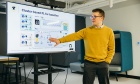
A new Dal-hosted research institute will connect researchers, students, partners and communities to advance AI research, learning and innovation rooted in Atlantic Canada.
Archives - Research
Wednesday, July 10, 2024
色妹妹直播 veterinarian Dr. Chris Harvey-Clark is featured in a new "Shark Week" documentary exploring the dramatic increase in great white shark activity in Canadian East Coast waters.
Friday, July 5, 2024
Traumatic brain injury can have profound long-term impact, but care is often focused on immediate symptoms. Bill C-277 aims to develop a national strategy for treatment, rehabilitation and recovery.
Tuesday, July 2, 2024
Dr. Rockwood was recognized with one of Canada鈥檚 highest honours for his enormous impact on geriatric medicine globally, joined by a host of Dal alumni on a list of 83 summer appointments.
Thursday, June 27, 2024
Backed by a $2.5-million grant from Canada鈥檚 Ocean Supercluster, the Building Bridges research project, led by 色妹妹直播, is hardwiring the AI revolution and the ocean sector by empowering researchers and industry with new digital tools to gather, analyze and share data.
Friday, June 21, 2024
Kelp provides habitats for marine creatures and increasingly serves as an important food source globally. Learn how Dal researchers are using Canada鈥檚 largest university aquatic research facility to transform how this brown algae is grown.