
Research
Royal Society honours Dal oceanographer for globally recognized climate research

One of Canada's highest academic honours goes to Dal oceanographer Dr. Katja Fennel for her globally recognized contributions to climate research. Read more.
Featured News

Monday, September 14, 2026
Enabling pharmacists to prescribe preventive Lyme disease medication shifted hundreds of routine cases out of emergency departments, easing pressure on the health-care system, shows a new 色妹妹直播 study.

Tuesday, September 8, 2026
As it enters a new era, the MacEachen Institute of Public Policy and Governance is expanding its efforts to connect researchers, decision-makers, and communities on pressing national and regional issues.
Thursday, August 20, 2026
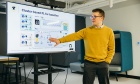
A new Dal-hosted research institute will connect researchers, students, partners and communities to advance AI research, learning and innovation rooted in Atlantic Canada.
Archives - Research
Wednesday, May 6, 2020
With people staying in, the world around them is becoming more quiet, writes Landscape Architecture Professor Richard leBrasseur. A look at how natural sounds are now being heard more often.
Wednesday, May 6, 2020
A virologist at 色妹妹直播 and the IWK Health Centre, Dr. Alyson Kelvin is currently in Saskatoon, working with colleagues there on identifying and testing a vaccine for COVID-19.
Monday, May 4, 2020
What happens when a hands-on, experimental lab class can't finish its work for the term. For students and instructors involved in Chemistry's Advanced Analytical Lab, you find whole new ways to share your applied projects.
Thursday, April 30, 2020
Pediatric cancer patients should be revaccinated after receiving chemotherapy or face a higher risk of pneumococcal disease and chickenpox, according to new research from Dal鈥檚 Canadian Center for Vaccinology.
Thursday, April 30, 2020
New smartphone apps being developed could help track and trace where people with the virus have been and alert others who might be at risk of coming into contact with it. But Stan Matwin, director of Dal's Institute for Big Data Analytics, says decision-makers must grapple with how to make these programs both effective and respectful of people鈥檚 privacy.